It’s been almost two years since I started a book club with my friends. Our pick this month was 멍청해지기 전에 읽는 뇌과학 by 이인아. Honestly, it felt like I could’ve written this book myself. It matched my beliefs and the way I live almost perfectly, just backed up with neuroscience.


1) My current concerns lined up with the book
At the start of 2026, I had a few strong intuitions. I’ve been thinking about these questions:
- Identifying three things about myself: what I enjoy even if it isn’t practical, what I’m good at even if it’s hard to define, and what I can realistically follow through on.
- Finding intrinsic motivation to expand my world.
- Figuring out what humans still uniquely have, compared to AI.
- While thinking through these questions, I found myself focusing on building daily routines, organizing my career direction, and shaping a personal narrative.
They already aligned with both the neuroscience and the author’s perspective described in the book.
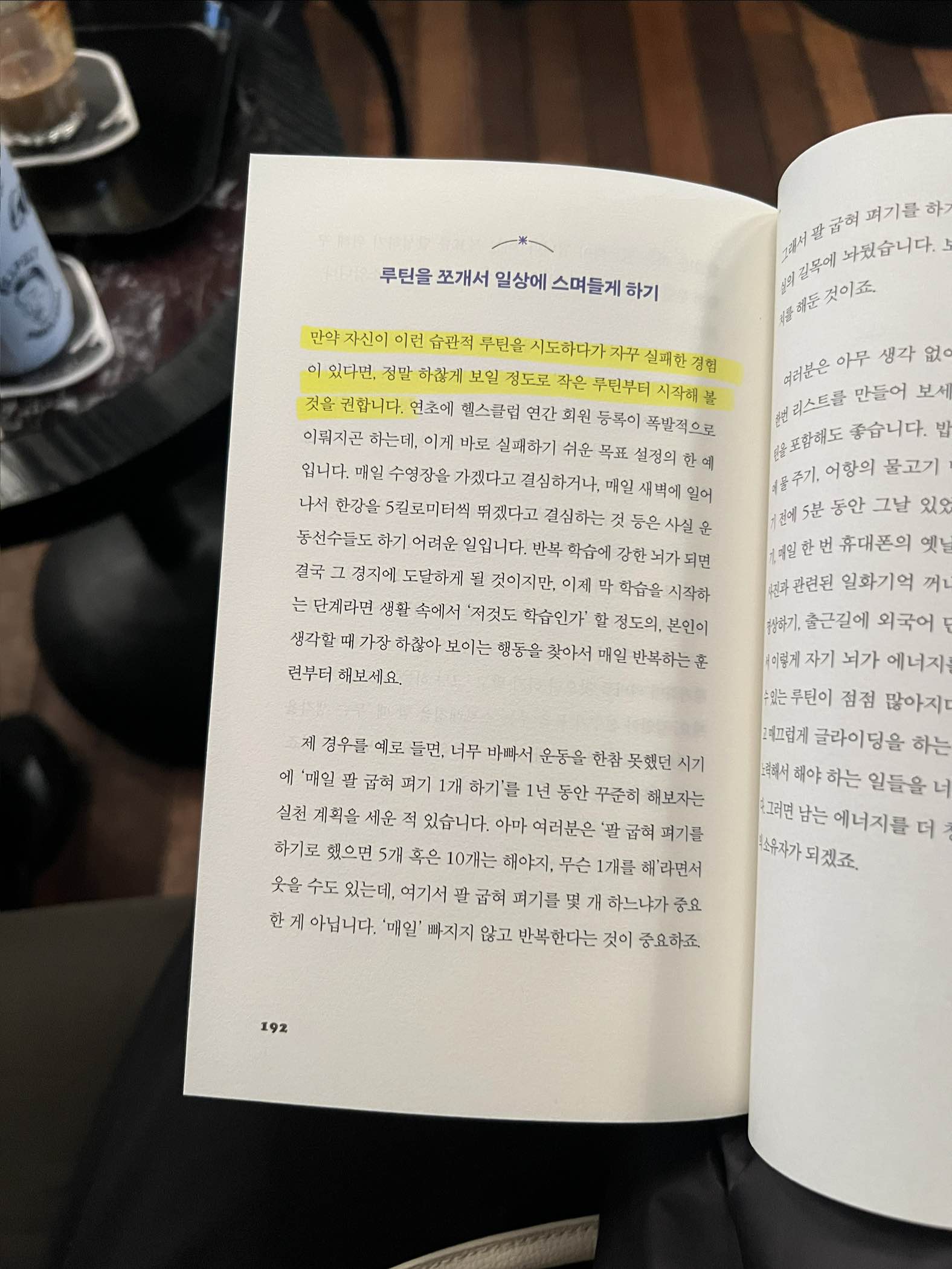
Setting daily routines, for example, reflects procedural learning. The book describes two types of learning: procedural learning and declarative learning. TL;DR: Procedural learning is built through repeated practice until an action becomes automatic, and declarative learning is built through attention and understanding.


Organizing my career also connects with this idea. The author points out that the human brain constantly optimizes itself by linking related pieces of information.
Building a personal narrative felt especially meaningful. I often say that I need my own storyline, and the author emphasizes the same idea: we need to build our own story.
2) Switching contexts between AI and humans
One idea I found fascinating is switching back and forth between an AI’s recognition model and my brain’s own way of recognizing patterns. Lately, I’ve found myself increasingly concerned about AI-how to use it more practically, how to understand it more deeply in theory, and how to keep up with its rapid evolution. But while reading this book, that focus shifted back to me-my brain-and I started asking how to use it better to improve my performance, not AI's. That shift actually relieved a lot of my stress.
3) Recording
I usually only post when my thoughts feel organized and “complete” enough. But when I don’t write things down, I forget what I was thinking in that moment. After reading this book, I decided to post even if my thoughts are not fully finished yet. Writing down my thoughts, even small and incomplete ones, helps me revisit lessons later and see that I’m improving over time. Posting means that, at minimum, I can explain what I’m thinking in writing. Even unstructured writing is better than letting everything evaporate from my head. If I have even one clear takeaway, I’ll write a post.
4) Quotes
- Intrinsic motivation


- Storytelling / Building a narrative


- Expanding my world
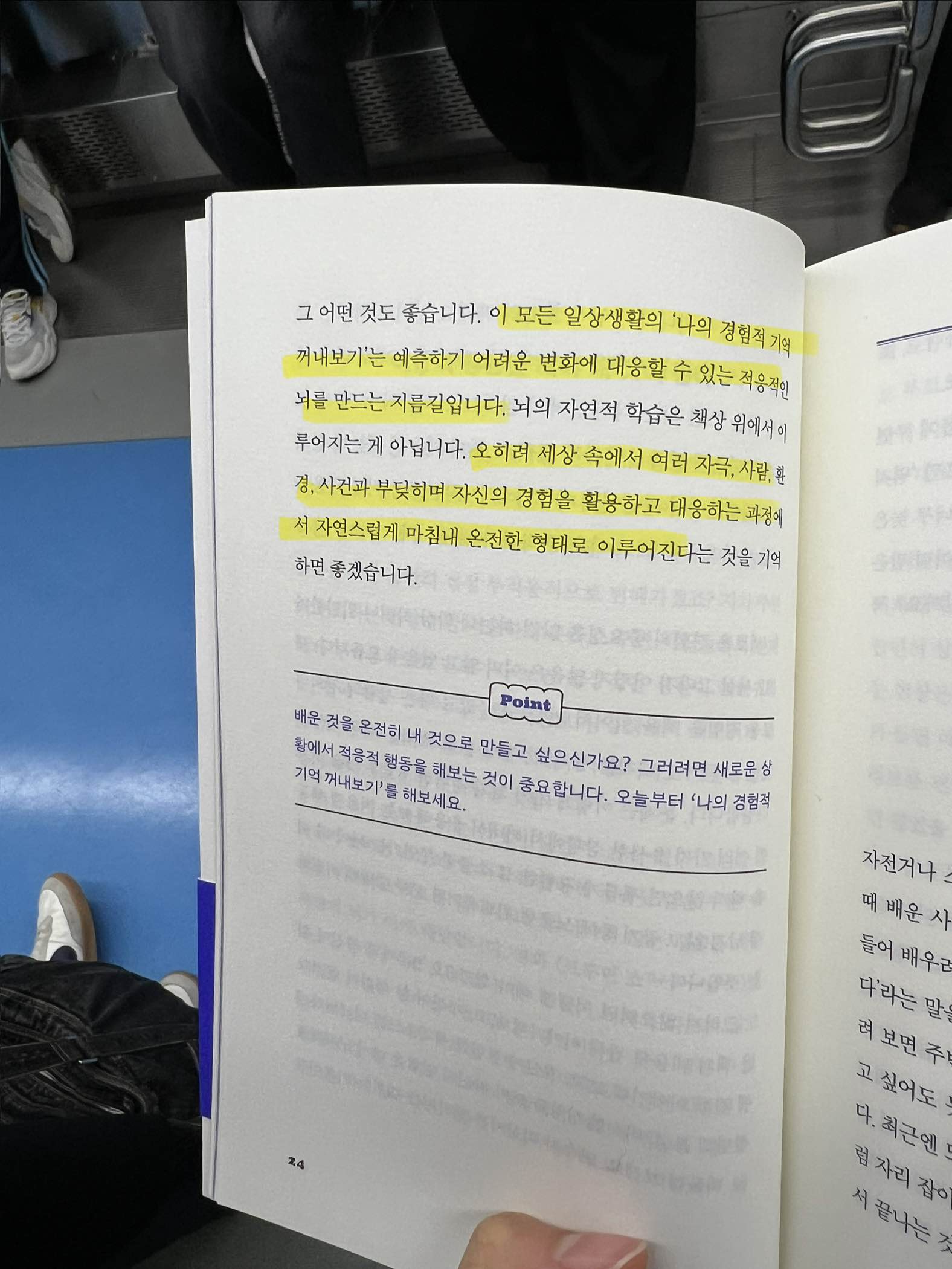

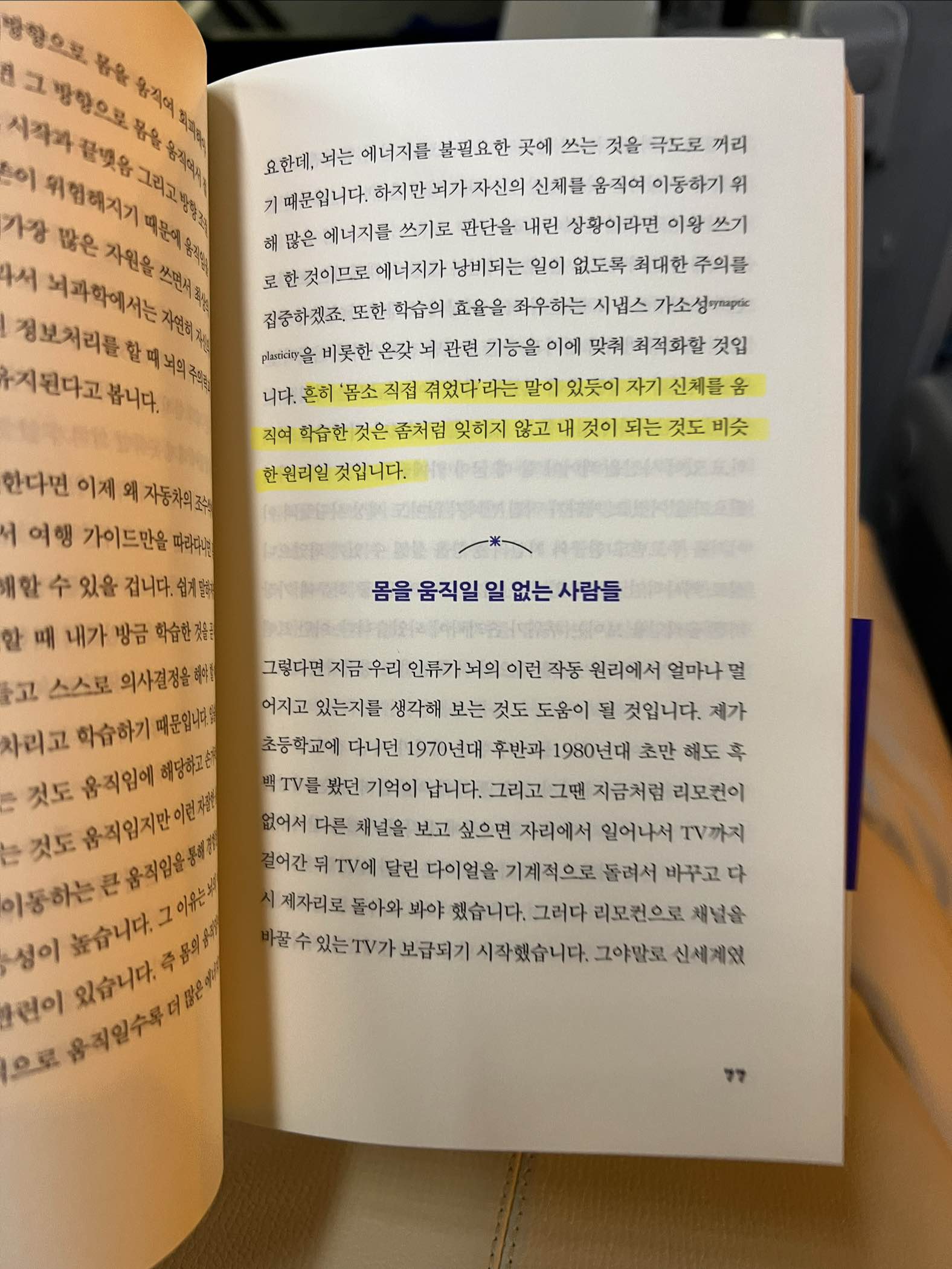


- Recognition model
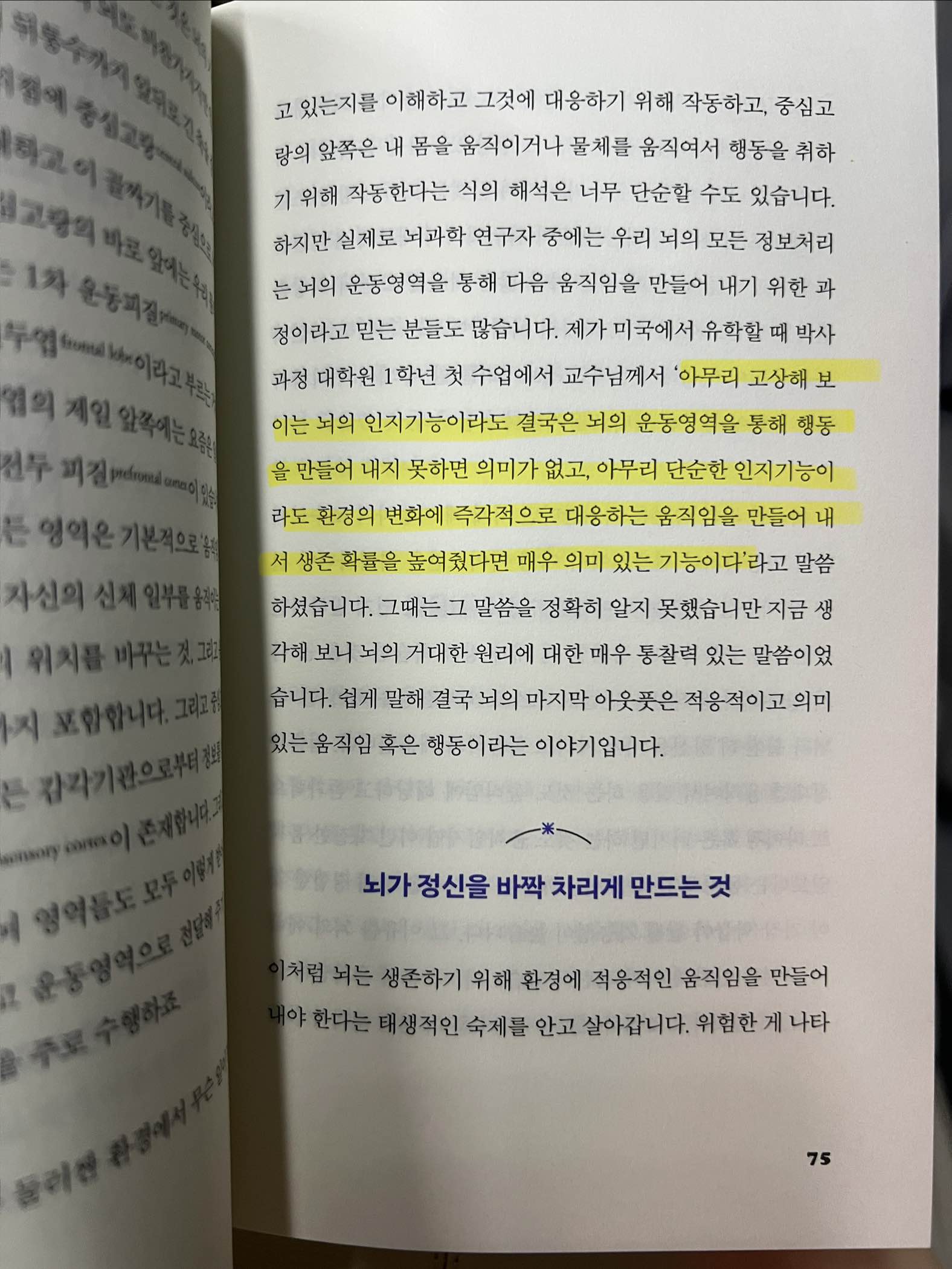
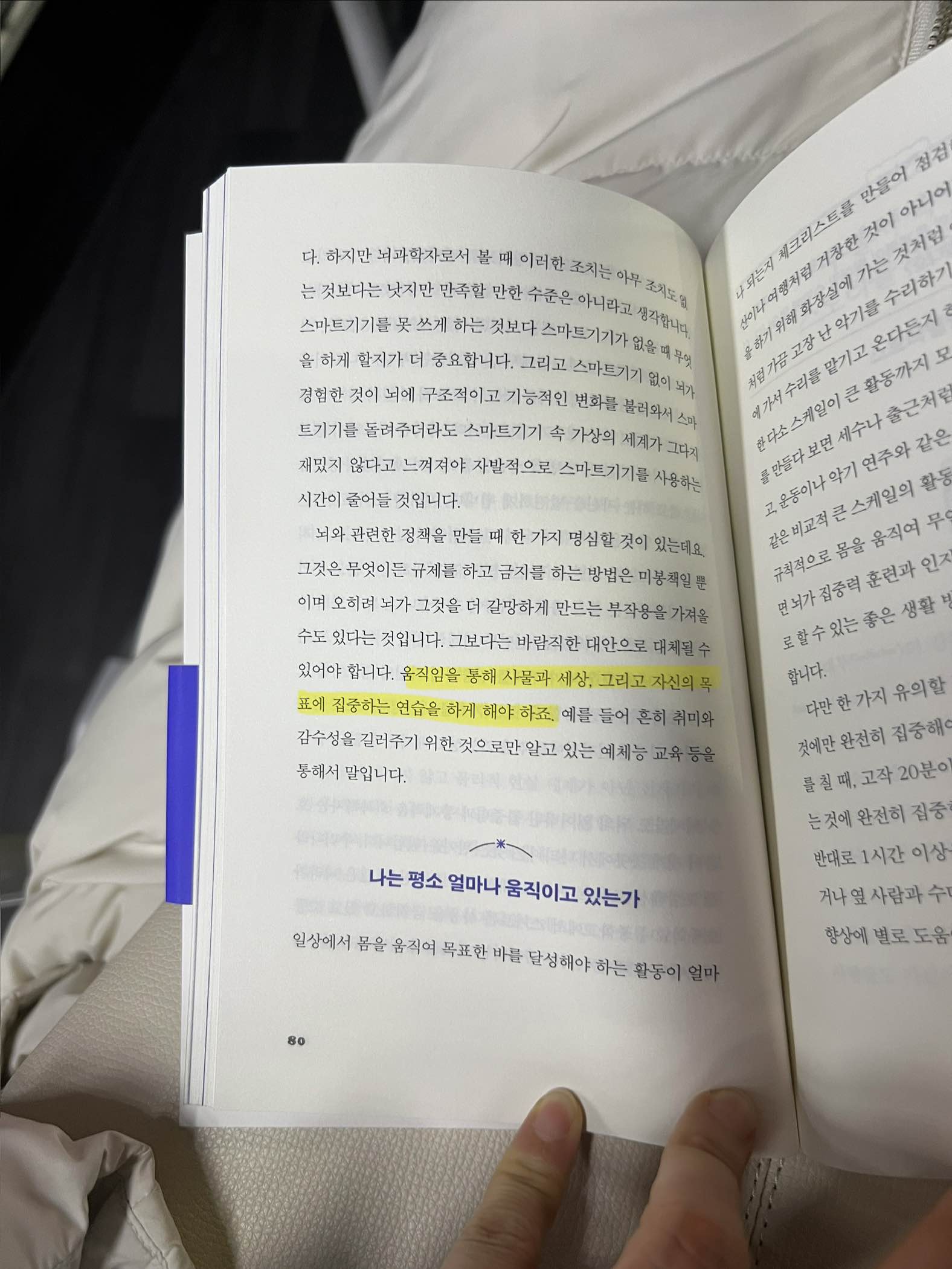

- Linking related information

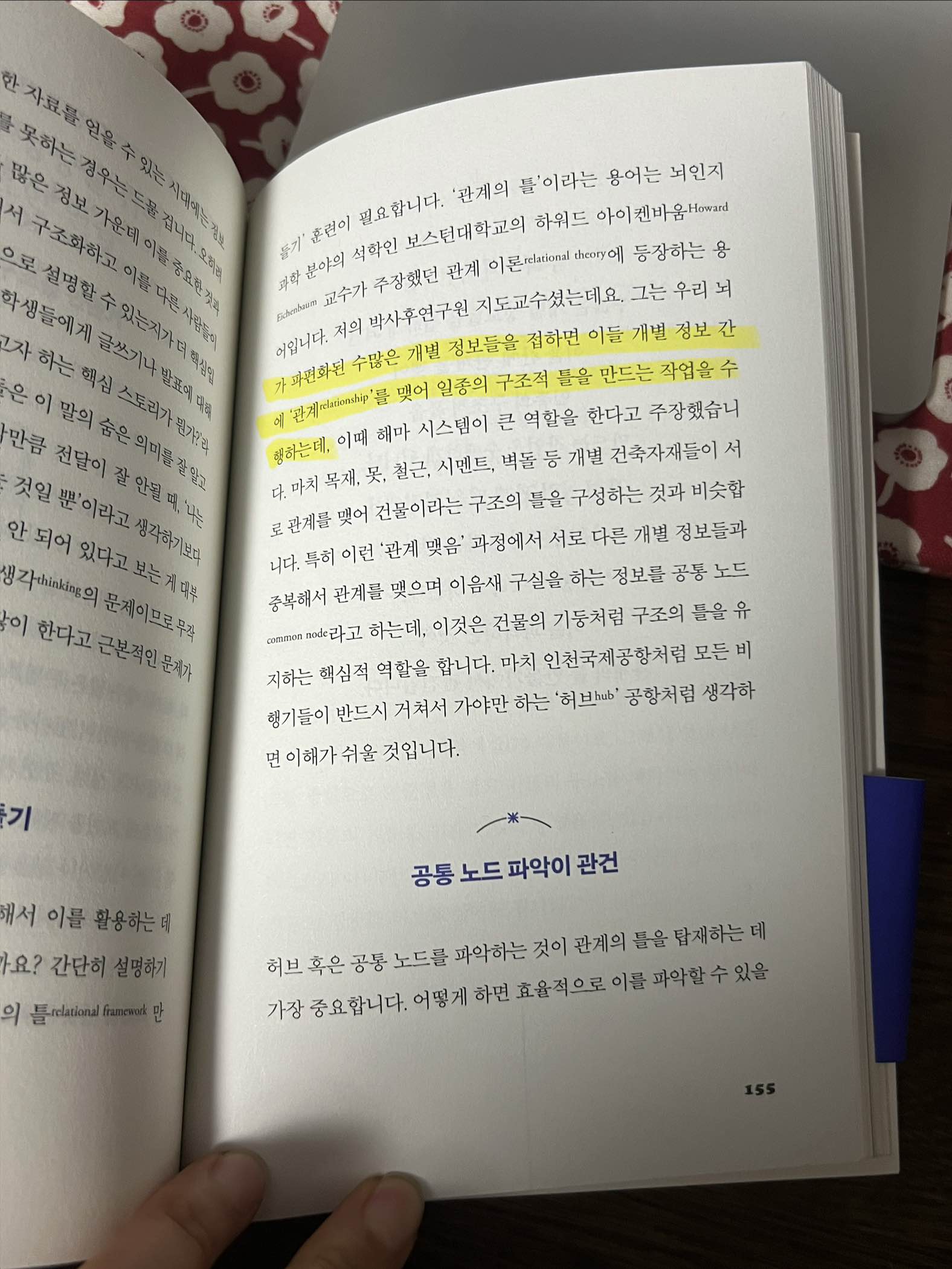

- Maturity that comes with age and experience


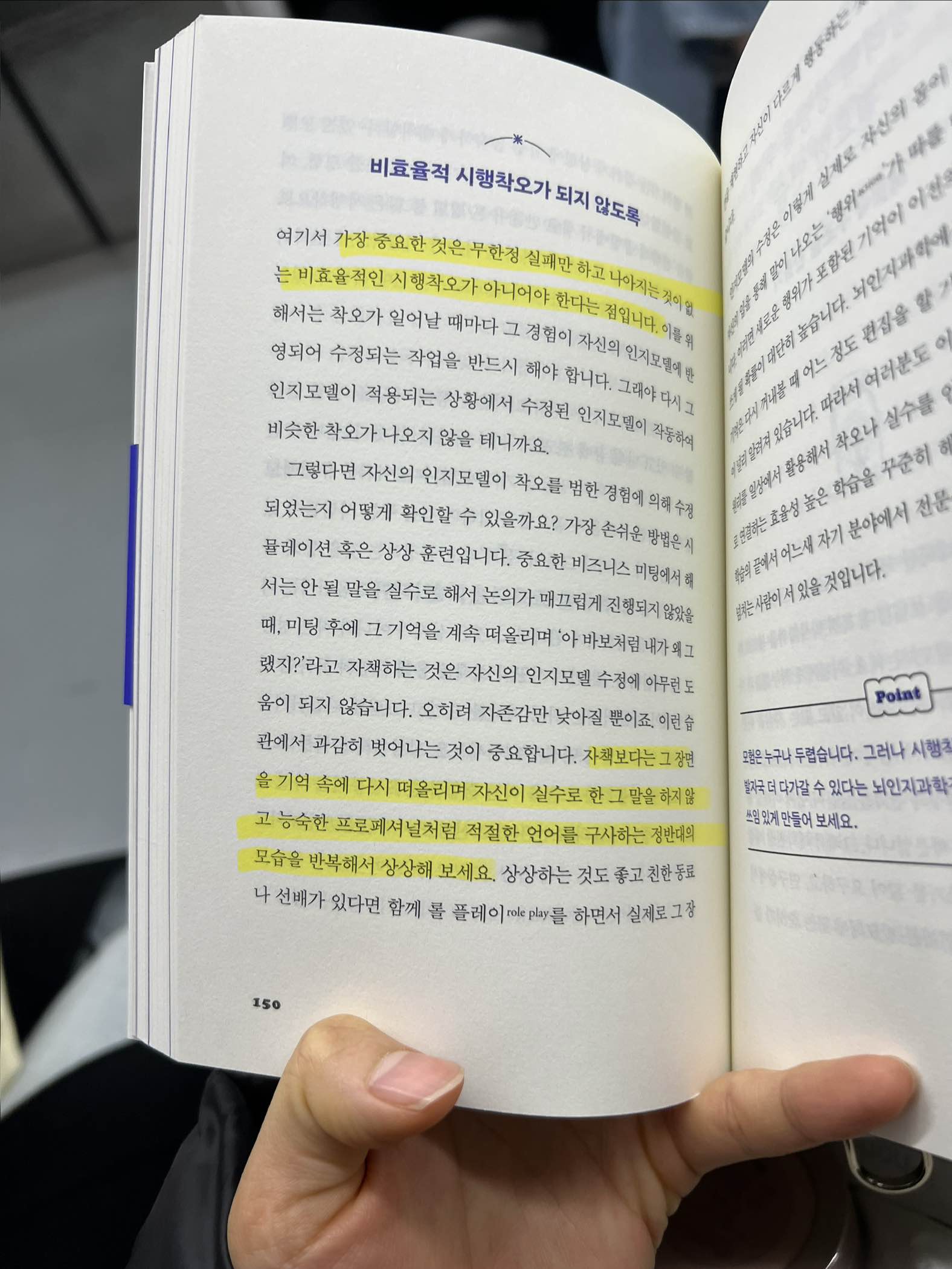
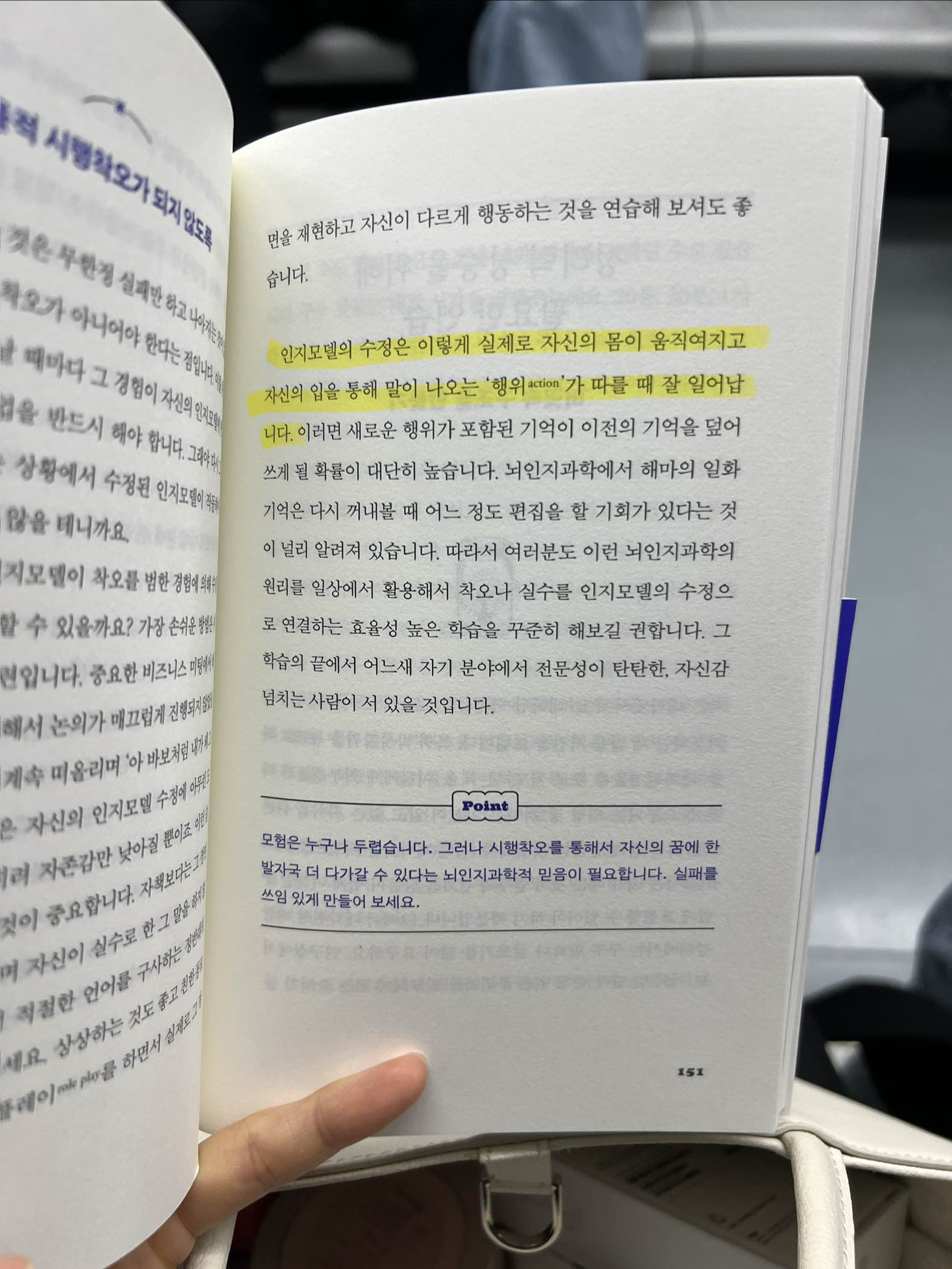
- Building routines
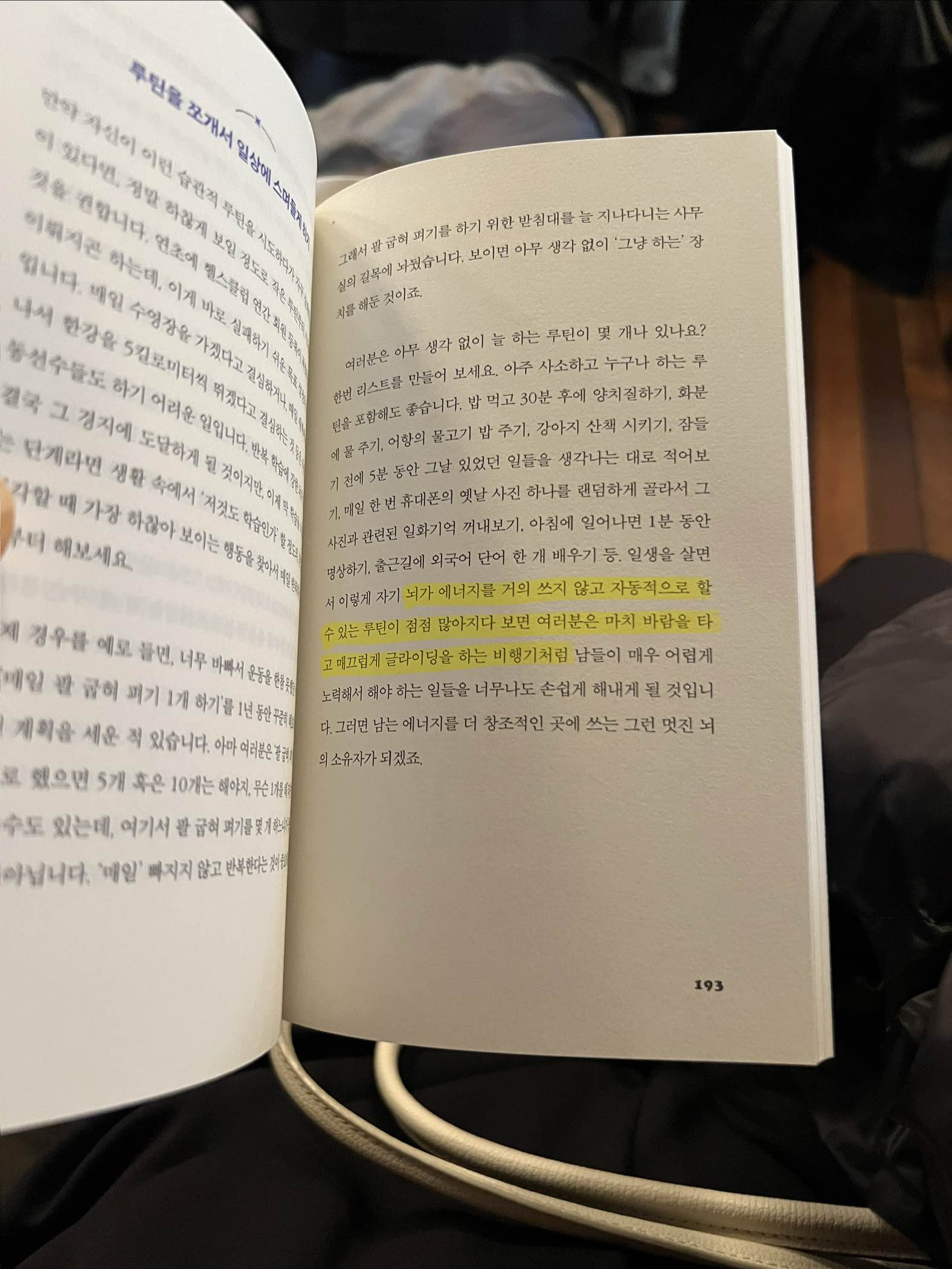
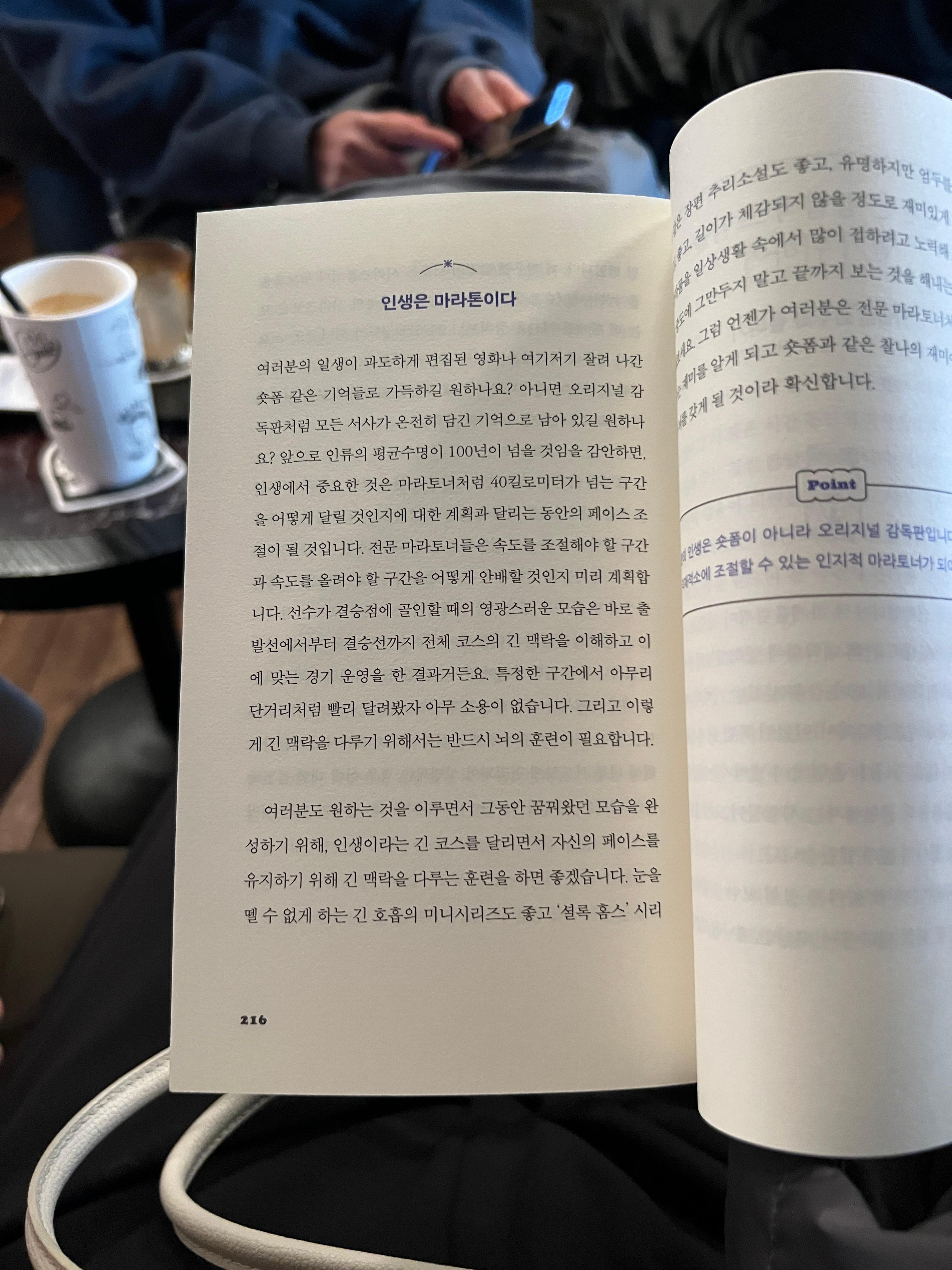
- And the last one touches on a theme similar to something I wrote about before. 🤭
누가 인생을 마라톤이라고 했는가?
'Diggin' > 인사이트' 카테고리의 다른 글
| [우리는 왜 선물을 줄 때 기쁨을 느끼는가] A Gift Unseen (0) | 2026.05.03 |
|---|---|
| [로지컬 씽킹] What is the “Engineer”? (0) | 2026.04.15 |
| [슬픔이여 안녕] 에서의 슬픔 (0) | 2025.12.08 |
| [작별하지 않는다] 완벽하지 않고 나약하지 않기에 (0) | 2025.01.12 |
| [유난한 도전] 두려움은 한순간에 꺾일 수 있다 (0) | 2024.08.29 |


